Jacking length 70 м
Hole diameter 30 – 250
Remote control
Strength 32 tons
Flushless
Aluminum construction

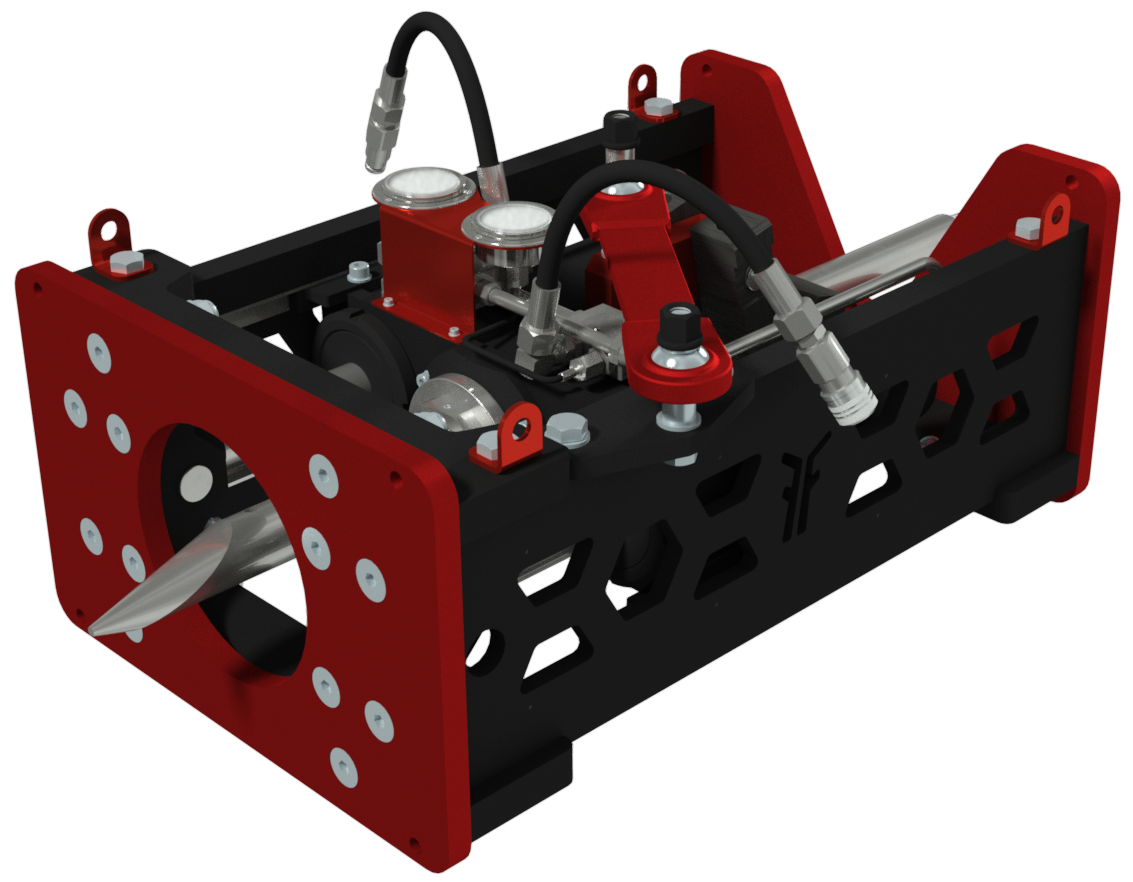
The parameters of ALUSTEER depend on the configuration; however, ALUSTEER stands out for its combination of compact dimensions and high working power. The machine itself weighs 105 kg and has dimensions of 734 × 500 × 312 mm, allowing it to be transported using standard service vehicles, while installation in a pit does not require complex infrastructure.
Despite its small size, the machine develops a pushing force of 27 tonnes and a pulling force of up to 32 tonnes, enabling pipeline replacement in challenging ground conditions. The range of serviced installation diameters reaches up to Ø250 mm, with a maximum pushing length of 70 m. In cracking applications, the diameter range is Ø80–160 mm, with a maximum length of up to 40 m. The machine operates at a working pressure of up to 300 bar.
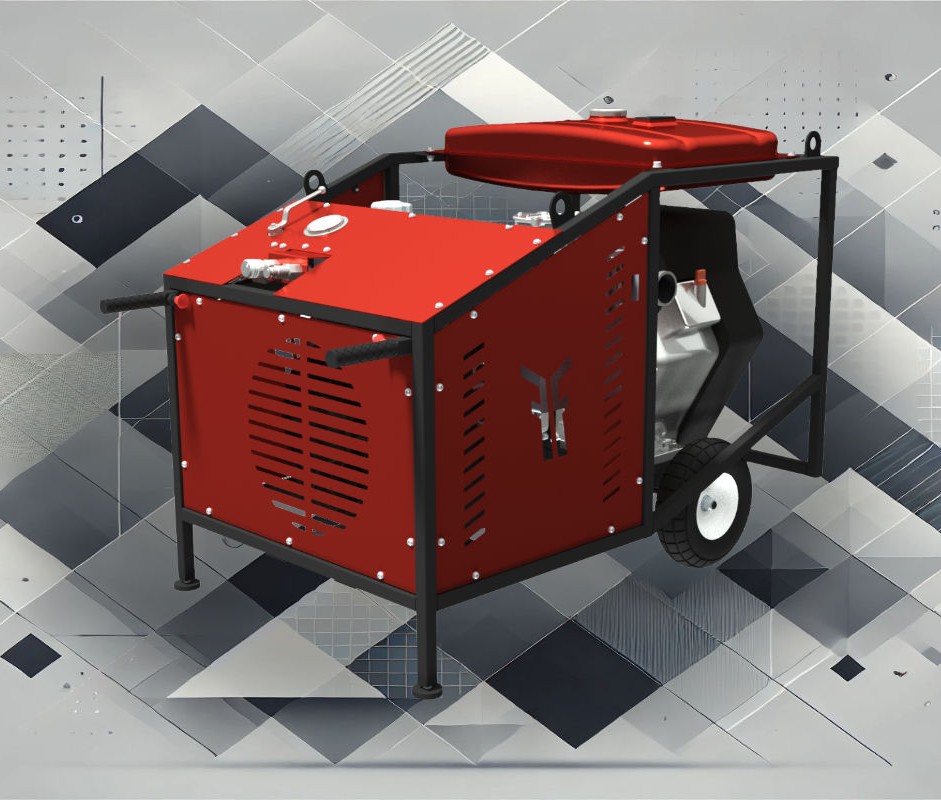
Operator performance is supported by control systems that enhance accuracy, precision, and safety during pushing operations. The use of the HAS 300-20 hydraulic power unit with a LONCIN gasoline engine rated at 18 kW (27 hp), electric start, and 25-liter fuel and hydraulic oil tanks ensures reliable long-term operation. The cooling system, with an air flow rate of 2100 m³/h, provides stable performance under high loads, while the compact dimensions of the power unit (800 × 1200 × 800 mm) and a weight of 150 kg maintain system mobility and simplify transportation logistics.
Watch video on Youtube.
ALUSTEER SYSTEM COMPONENTS
ALUSTEER
Armed ALUSTEER
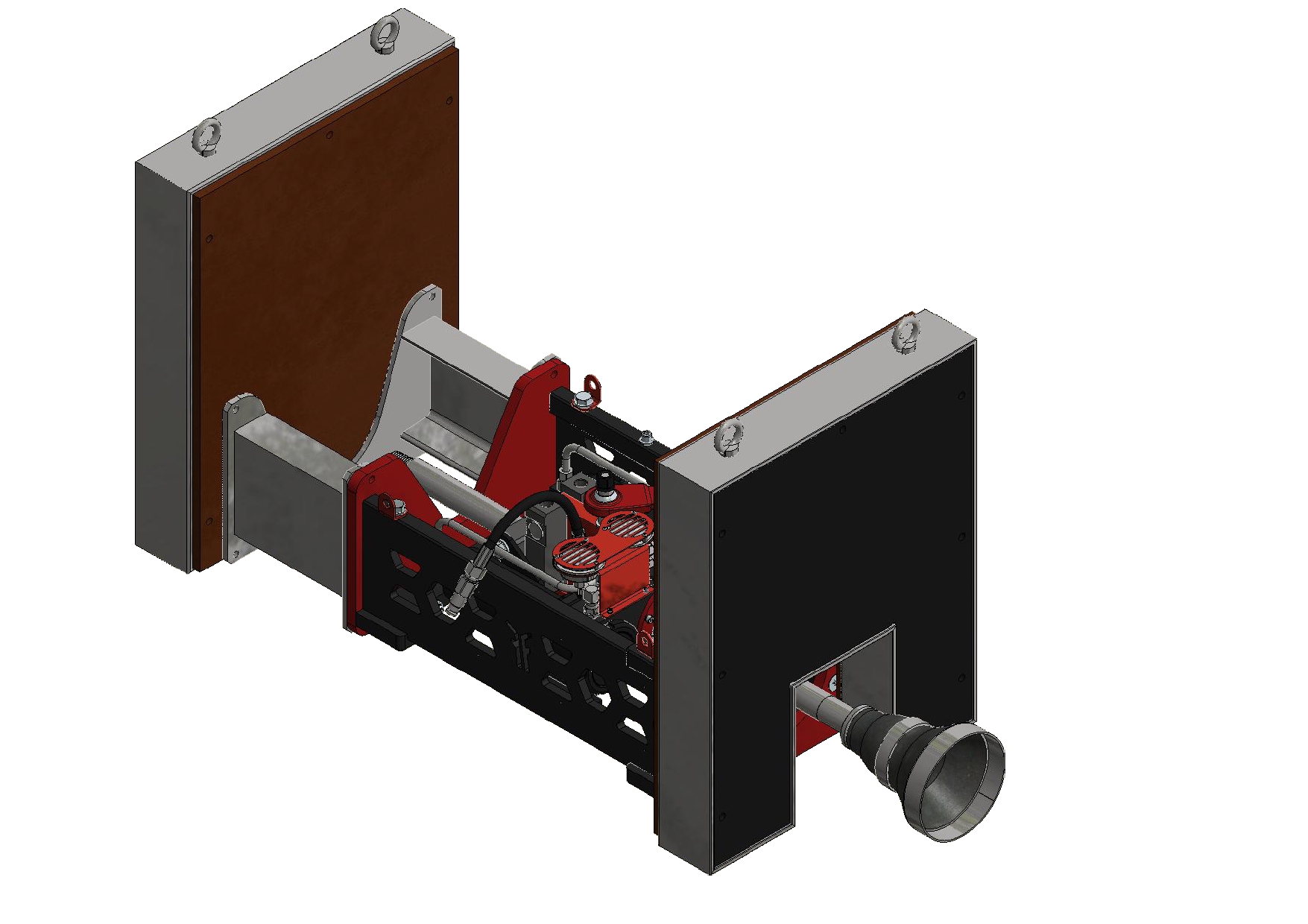
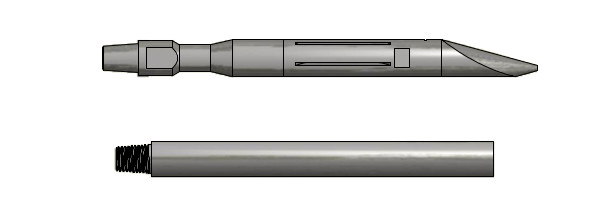
Resistance module – extension
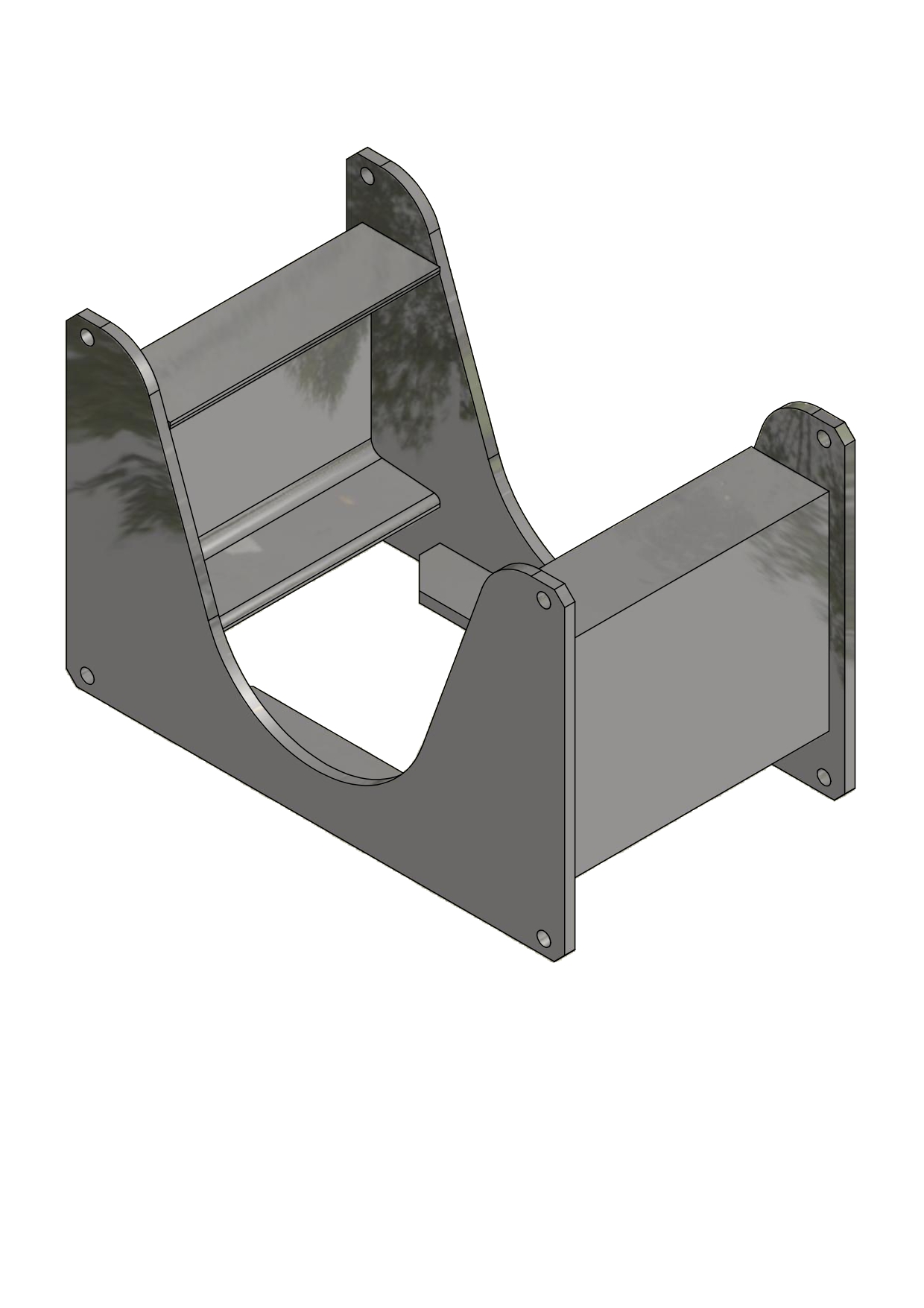
Extensions and accessories
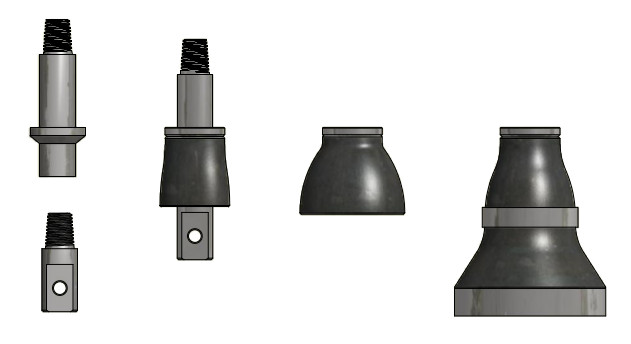
Navigation
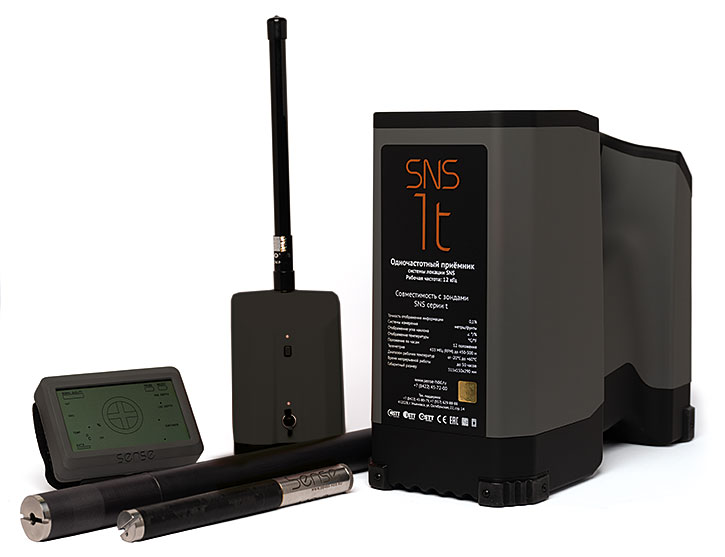
Pilot and Derrick
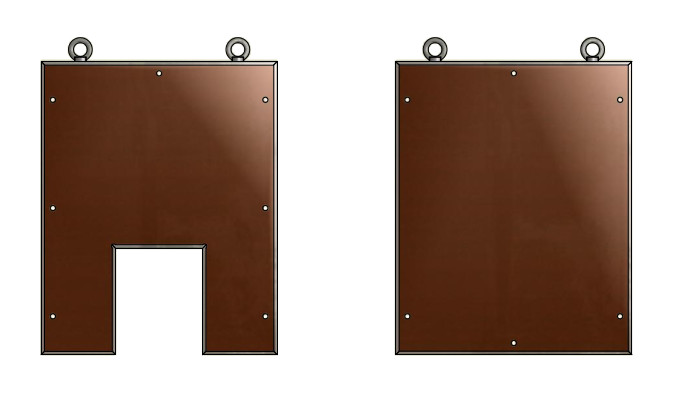
Expansion walls
Hydraulic power unit
TECHNICAL SPECIFICATIONS
ALUSTEER guided drilling
| Parameter | Value |
|---|---|
| Weight | 105 kg |
| Dimensions | 734 × 500 × 312 mm |
| Pushing force of the machine | 27 ton |
| Pulling force of the machine | 32 ton |
| Range of installed diameters | up to Ø250 mm |
| Maximum jacking length | 70 m |
| Cracking diameter | Ø80–Ø160 mm |
| Maximum length of cracking | 40 m |
| Maximum working pressure | 300 bar |
Hydraulic unit HAS 300-20
| Parameter | Value |
|---|---|
| Engine | LONCIN gasoline engine, 18 kW (27 HP) |
| Engine starting | Electric |
| Fuel tank capacity | 25 liters |
| Hydraulic oil tank capacity | 25 liters |
| Air flow in the cooler | 2100 m³/h |
| Net weight | 110 kg |
| Gross weight | 150 kg |
| Dimensions | 800 × 1200 × 800 mm |
| Working pressure | 300 bar |
| Flow rate | 20 l/min |
How does the controlled piercing process work?
Preparation
Two pits are constructed — a старт pit and a receiving pit. The operator determines the puncturing trajectory based on geodetic documentation and soil conditions.
Machine installation
The jacking machine is installed along the axis of the planned bore, and its parameters are adjusted according to the length and diameter of the installation being laid.
Pilot piercing
The head is pushed into (advances through) the soil. Thanks to the control system, the direction can be corrected during operation.
Control and measurements
Pipe pulling
After reaching the receiving point, the pilot head is removed and a reaming head with a pipe grip is installed. Then, by pulling back the rod, the borehole is enlarged and the main pipe (steel, HDPE, PE, PVC, etc.) is installed, being pulled through the completed hole. The process does not produce soil cuttings (no bentonite is used).
Completion and inspection
After the boring operation is completed, the alignment of the route and the tightness of the installation are checked. The launch and receiving pits are backfilled, and the area is restored.
The length of a single bore can range from a few meters up to several tens of meters, depending on the soil type and the diameter of the pipeline.
Selecting the right equipment is crucial for the successful execution of the entire process. Depending on soil conditions and the installation diameter, different solutions are applied:
| Head type | Application |
|---|---|
| Sharp-cone head | For soft, wet soils and sands – provides greater sensitivity and quick response to steering. |
| Blunt-cone head | For hard soils and clay – used where high sensitivity in steering and rod rotation is not required. |
Machines are usually powered hydraulically. The hydraulics of an excavator, mini-excavator, tractor, or another suitable solution can be used depending on site conditions and the power required for the specific operation.
For a large volume of work, it is advisable to have an independent power source, such as a diesel or electric hydraulic unit.
The advantages of this machine are defined by a set of key factors that distinguish it from competitors.
Multifunctional machine – one piece of equipment, many applications
ALUSTEER is designed as a universal solution. Instead of investing in multiple machines for separate tasks, operators get a single piece of equipment that performs efficiently in water and sewage network replacement and renovation, as well as in gas and industrial sectors. This approach significantly reduces equipment costs and maximizes the return on investment in a single device.
Compact design – easy transport, installation, and operation even in tight spaces
In urban areas or sites with limited access, the size and mobility of the machine are critical. ALUSTEER features a compact design, making it easy to transport to the construction site, set up quickly, and operate daily without specialized infrastructure. Even in densely built city centers, it can be delivered and prepared for work without issues.
No need for drilling fluid – saving time, costs, and simplifying logistics
Traditional technologies often require the use of drilling fluid, which adds costs, requires specialized equipment, and complicates project logistics. ALUSTEER eliminates this problem by operating without drilling fluid. This means less equipment on site, faster project start, and simplified logistics for the entire process.
High pull and push forces – efficiency in the most challenging conditions
ALUSTEER is designed to handle tasks that are difficult for many other machines. With high pull and push forces, it works reliably in hard and dense soils while maintaining high performance. This feature ensures reliability in both standard and particularly demanding projects.
Intelligent guidance and control system – accuracy and safety
ALUSTEER’s technologies allow the operator full control over the process. The guidance system ensures precise machine handling, enabling strict adherence to the designed pipeline trajectory and minimizing the risk of collision with existing underground infrastructure. Additionally, these solutions enhance safety for both the operator and the surrounding environment.
Reliable Polish engineering – local service, spare parts, and technical support
The machine is designed and manufactured in Poland, which directly impacts operational convenience. Quick access to service, spare parts, and technical support helps minimize potential downtime—a crucial advantage in an industry where project timelines are often critical.
Modular design – easy adaptation to different tasks and pipe diameters
Every project requires an individual approach, so ALUSTEER is built on a modular design. This allows the operator to adapt the machine to different pipe diameters and types, as well as quickly configure it for a specific task. This solution increases operational flexibility and makes a single machine capable of handling a wide range of projects.